The Importance of Measured Building Surveys in London
In the complex and fast-paced environment of London, accurate data is essential for successful construction and renovation projects. Measured building surveys play a pivotal role in providing precise measurements of a building’s dimensions, helping architects, engineers, and property developers make informed decisions. With the unique architectural landscape of London, often featuring both historic and contemporary structures, the necessity for reliable surveying has never been more pronounced. For accurate assessments of property dimensions and structural features, Measured Building Surveyors London offers extensive insights tailored to your needs.
What are Measured Building Surveys?
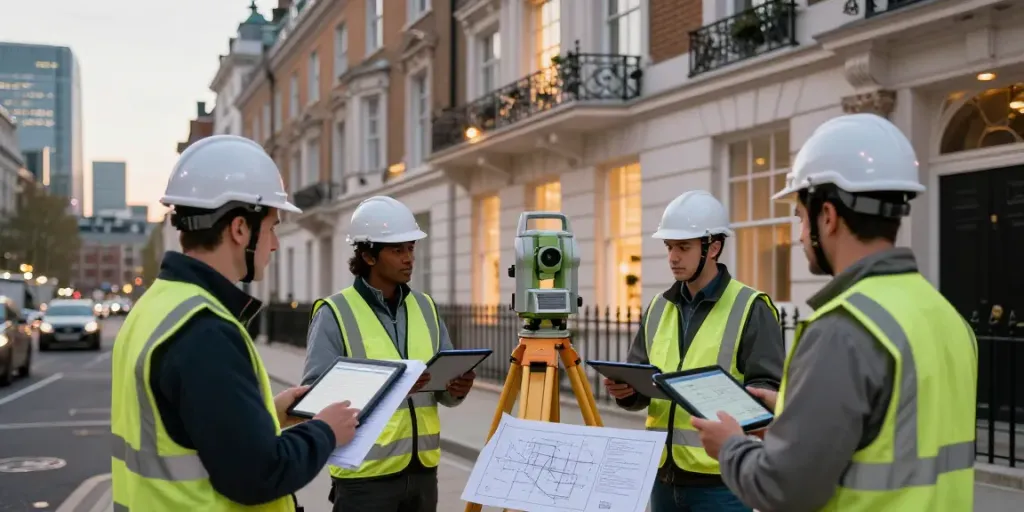
A measured building survey is a detailed representation of a building's geometric and physical properties. This process involves the collection of data concerning the dimensions, shapes, and positions of various structural elements within the building. Typically, surveyors utilise advanced technologies, such as laser scanning and total stations, to ensure the highest levels of accuracy, often achieving tolerances of ±2mm or better.
These surveys can include a wide range of outputs, such as floor plans, elevation drawings, and 3D models, making them invaluable for various applications including architectural design, renovation planning, and real estate assessments.
Benefits of Accurate Measurements
One of the primary benefits of accurate measurements is the minimization of errors in design and construction. For instance, when architects have access to precise data, they can create plans that reflect the true dimensions of existing structures, allowing for seamless integration of new and existing elements. This is especially crucial in a city like London, where space is at a premium and building regulations are stringent.
- Cost Efficiency: Accurate surveys help prevent costly mistakes and reworks during the construction phases.
- Improved Planning: Having accurate data aids in project planning, ensuring that timelines and budgets are adhered to.
- Regulatory Compliance: Compliance with local regulations is easier when measurements adhere to specified standards.
Applications in Various Industries
Measured building surveys are widely applied across multiple industries, including:
- Architecture: Essential for creating design plans and ensuring structural integrity.
- Real Estate: Provides prospective buyers with detailed property insights.
- Construction: Aids contractors in site management and layout planning.
- Heritage and Conservation: Helps in the documentation and restoration of historical buildings.
Technology Advancements in Surveying
The landscape of surveying has evolved significantly with advancements in technology. Modern equipment and methods enhance the precision and efficiency of measured building surveys, facilitating faster turnarounds and more detailed outputs.
State-of-the-Art Equipment for Precision
Utilising modern surveying equipment, such as laser scanners and GPS, has transformed the field. Laser scanning, for instance, captures millions of data points in a matter of minutes, creating highly accurate 3D point clouds that represent the subject in immense detail. This technology is particularly beneficial in dense urban environments where traditional surveying methods may fall short.
Role of 3D Modelling and Visualisation
3D modelling and visualisation play a crucial role in contemporary measured building surveys. These technologies allow clients to view and interact with a virtual representation of the surveyed space. By utilising software capable of integrating 3D models into various formats, stakeholders can gain a better understanding of how different design elements will interact within the space, aiding in decision-making processes.
Comparative Analysis with Traditional Methods
While traditional surveying methods such as tape measurements and manual documentation are still in practice, they are often limited in scope and prone to human error. Advanced technologies provide a significant improvement in accuracy and efficiency. For example, while a manual survey may take days and result in a higher error margin, a laser scan can complete the task in a matter of hours with exceptionally low tolerance for mistakes.
Choosing the Right Measured Building Surveyor in London
Selecting the right measured building surveyor is vital for ensuring the success of your project. The right expertise can make a significant difference in the quality of the final output.
Key Qualities to Look For
When evaluating potential surveyors, consider the following qualities:
- Experience: Look for firms with a proven track record in conducting measured building surveys, especially in urban environments like London.
- Accreditations: Ensure the surveyors are accredited by relevant professional bodies, such as RICS or similar organisations.
- Technology Utilisation: Assess whether the surveyor employs the latest surveying technologies to enhance accuracy and efficiency.
Evaluating Experience and Expertise
Experience is a crucial factor when selecting a measured building surveyor. Consider their portfolio to assess their past projects and client testimonials. This evaluation can provide insights into their ability to handle complex surveying environments, such as those found in London.
Understanding Pricing and Value
While cost is an important consideration, focusing solely on price can be misleading. It's essential to understand the value offered by the surveyor. Transparent pricing structures and comprehensive service offerings often indicate a reputable firm that prioritises quality.
Common Challenges in Measured Building Surveys
Despite the advancements in technology, measured building surveys can present certain challenges, particularly in urban settings where space and accessibility may be limited.
Unforeseen Site Issues and Their Impact
Site conditions can drastically affect a project’s timeline and budget. Issues such as hidden structural elements or unanticipated site conditions can lead to delays and additional costs. Thorough planning and site assessments prior to surveying can help mitigate these risks.
Maintaining Accuracy in Complex Environments
The intricacy of London's urban architecture can complicate the surveying process. Navigating tight spaces or differentiating between various structures adds layers of complexity that require skilled surveyors to manage effectively.
Mitigating Risks During the Survey Process
To mitigate risks, it’s crucial for surveyors to implement a comprehensive risk management framework. This may involve conducting a thorough site assessment, preparing for potential contingencies, and maintaining open communication with all stakeholders throughout the process.
Future Trends in Measured Building Surveying (2026 and Beyond)
As we look towards the future, several trends are shaping the field of measured building surveying. Understanding these trends can prepare stakeholders for upcoming changes in the industry.
Emerging Technologies in Surveying
Emerging technologies, such as augmented reality (AR) and artificial intelligence (AI), are poised to revolutionise surveying processes. AR can enhance visualisation techniques, while AI can assist in data analysis and risk assessment, providing surveyors with stronger tools to improve their efficiency and output quality.
Regulatory Changes Affecting Surveying Practices
The landscape of regulations governing construction and surveying practices is continually evolving. It is crucial for surveyors to stay informed about potential changes that could impact their operations, ensuring compliance and adapting their practices accordingly.
Predictions for the Evolving Real Estate Market
With the ongoing changes in the real estate market, especially in urban areas, the demand for accurate measured building surveys will continue to grow. As developers and property owners increasingly rely on data-driven decision-making, the significance of precise surveys will only continue to rise. Being proactive in analysing trends and adapting to market needs will be essential for success.
What is the average cost of a measured building survey in the UK?
The cost of a measured building survey can vary significantly based on several factors, including the size and complexity of the project, location, and the specific requirements of the survey. On average, clients can expect to pay anywhere from £700 to £2,500 for comprehensive surveys in London, but bespoke surveys may incur additional charges.
What are the top 10 quantity surveying firms in the UK?
The landscape of quantity surveying firms in the UK is vast. Top firms include names such as Turner & Townsend, AECOM, and Rider Levett Bucknall, known for their expertise and extensive service offerings in the construction sector.
How long does a measured survey take?
The duration of a measured survey depends on various factors, including the size of the property, the complexity of the layout, and the survey technology employed. Generally, a straightforward survey may take one to two days, while more extensive projects can last a week or longer, particularly when detailed documentation is required.
How to know if a surveyor is good?
To assess the quality of a surveyor, consider their experience, certifications, and client testimonials. Reviews and recommendations from previous clients can provide insight into their reliability and quality of work. Additionally, a professional surveyor will be open to discussing their methods and technologies, offering transparency that can instill confidence in their services.